Claim chronology
The reported event, inspection, estimates and subsequent actions assembled from dated records.
Commercial-Vehicle Claims Assurance
Reconcile policy, configuration, incident and repair records for complex working vehicles.
Insurance Intelligence Design partner programme
What you receive
The reported event, inspection, estimates and subsequent actions assembled from dated records.
The insured asset description compared with inspection and repair evidence.
Estimate differences, unsupported items and technical questions linked to their source documents.
Reviewer findings, accepted explanations and remaining requests retained with the file.
An illustrative engagement
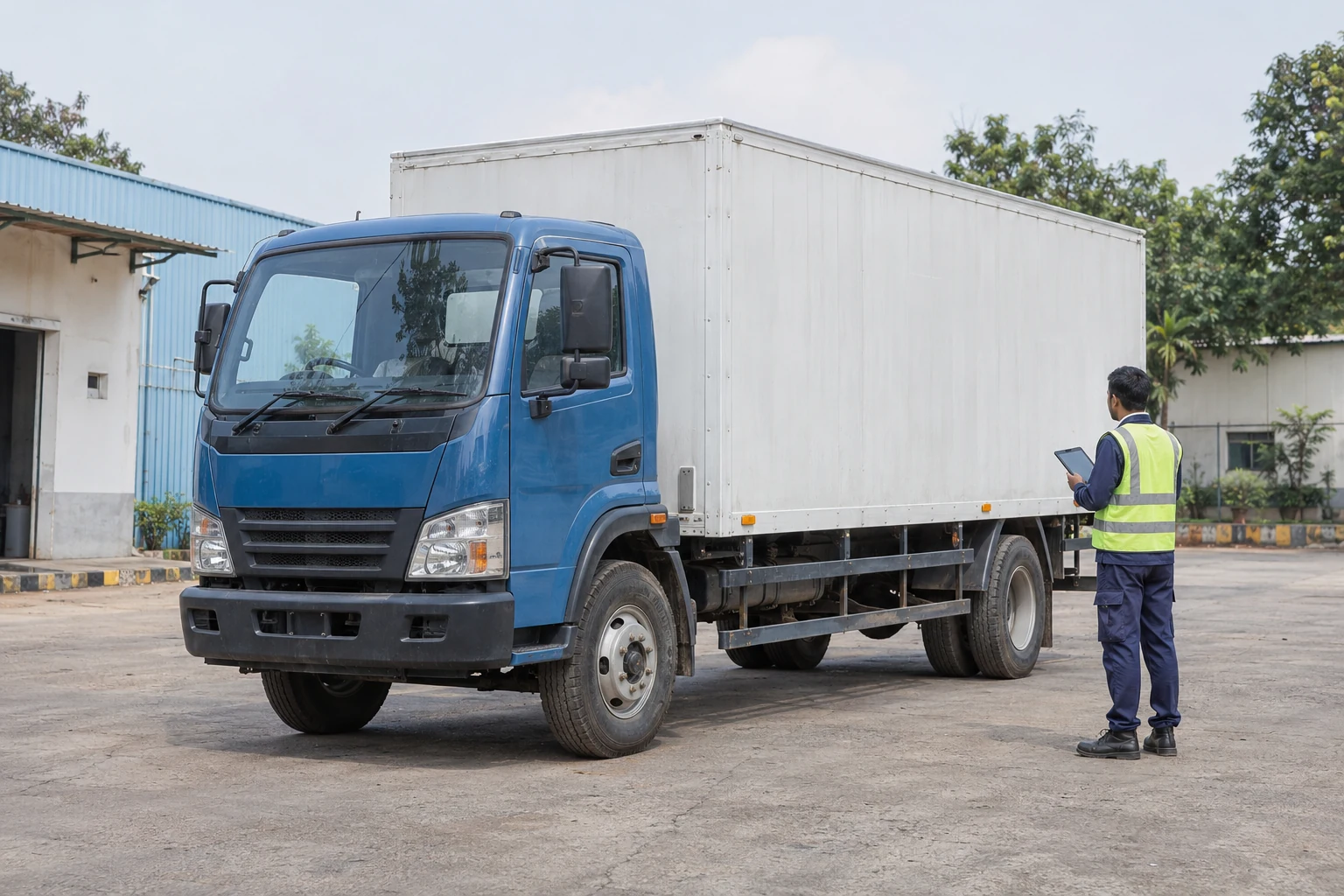
A claim includes damage to a body and refrigeration equipment. The reviewer needs to connect the insured configuration, inspection findings and proposed repair items.
Policy and equipment descriptions
Survey report and photographs
Body and refrigeration repair estimates
How it works
Agree the vehicle types, claim scope and technical reviewer requirements.
Link policy, incident, survey and repair records to the complete asset.
Present cited discrepancies and gaps to the insurer’s authorised specialists.
Compare review effort and quality with known findings, reopenings and accepted outcomes.
Scope & evaluation
Use the details below to assess fit with your workflow.
A commercial-vehicle claim may involve a body, refrigeration unit, hydraulic system or other equipment alongside the chassis. The programme connects those components to the policy, reported event and proposed repair. It gives authorised reviewers a consistent file with explicit evidence gaps.
Scope, permissions, integrations and acceptance criteria are agreed before work begins. Your authorised team retains the institutional decision.
Questions
The insurer and its authorised specialists retain assessment, coverage and settlement decisions. The programme supports the evidence review and records the resulting decisions.
Yes. Their findings can be included as source evidence with the stated scope and limitations. The engagement focuses on connecting those findings to the complete claim.
Review time, confirmed findings, false alarms and handling quality are useful initial measures. Reopened cases and substantiated recoveries can be included where suitable outcome records exist.
The next conversation
Bring a representative set of records and the team responsible for assessing the output.
Start a conversationTell us who you are and the decision you are pricing. The first conversation costs nothing. A reply comes on working days.
Or write to [email protected].