Dependency assessment
Ownership, charging, maintenance and service arrangements linked to the proposed operating use.
EV & Equipment Transition Risk
Connect duty, charging, ownership, service and residual-value assumptions in commercial EV and equipment finance.
Finance & Asset Risk Scoping programme
What you receive
Ownership, charging, maintenance and service arrangements linked to the proposed operating use.
Utilisation, energy, downtime and residual assumptions tested within a consistent account.
Signed terms, indicative assumptions and outstanding supplier confirmations distinguished clearly.
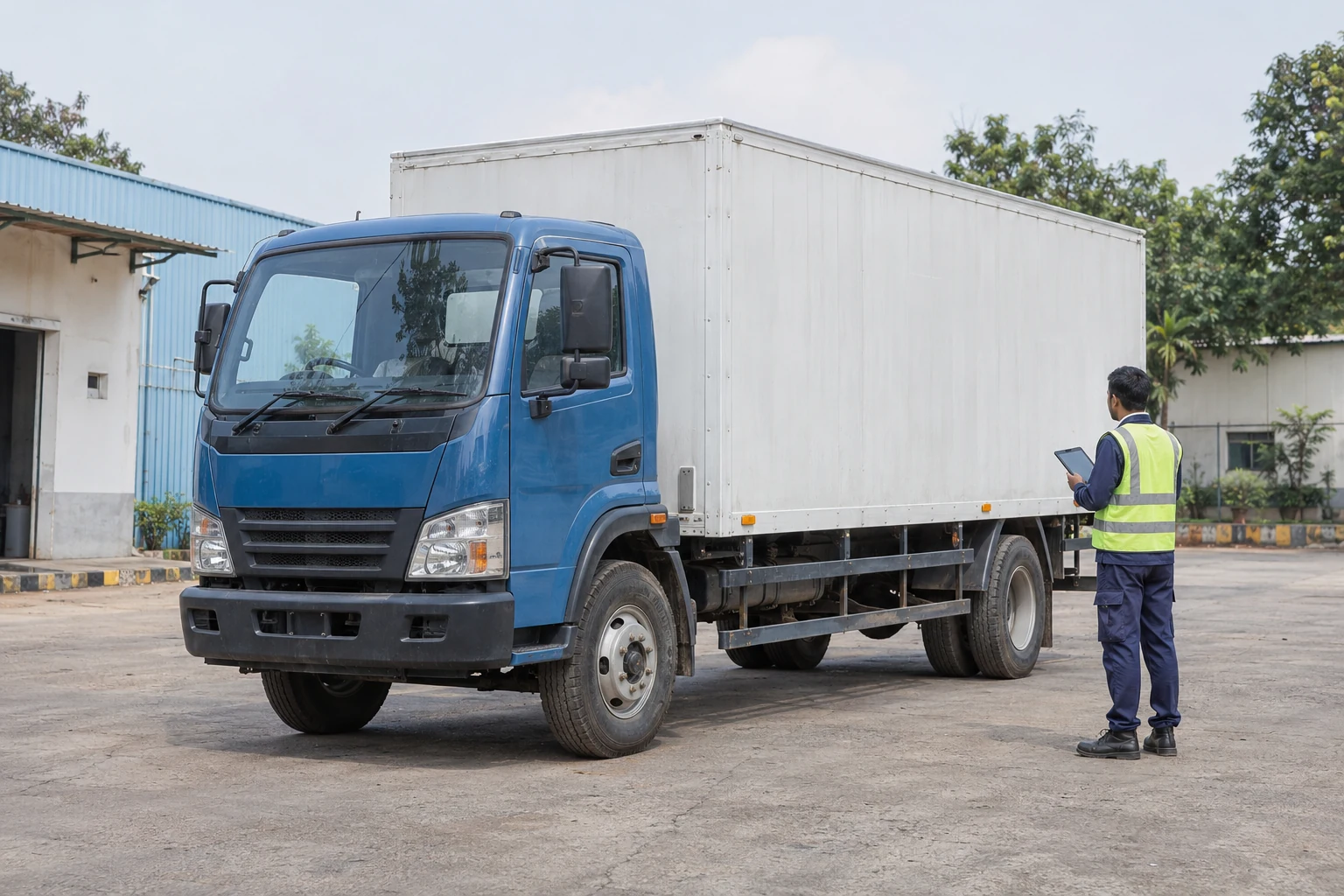
An illustrative engagement
A lender reviews a fleet whose battery service and depot charging are supplied under separate agreements. The assessment connects those commitments to the proposed vehicle duty.
Vehicle and battery arrangements
Depot charging plan
Duty and financing assumptions
How it works
Agree the routes, schedules, loads and availability required from the asset.
Examine the battery, infrastructure, service and financing evidence available.
Assess the implications of changes in utilisation, energy and exit assumptions.
Prepare the confirmations and monitoring requirements for the institution’s review.
Scope & evaluation
Use the details below to assess fit with your workflow.
The economics of a commercial EV can depend on the vehicle, battery, charging arrangement and service commitments together. This programme examines the proposed asset against its operating duty and the evidence supporting financing, warranty and exit assumptions.
Scope, permissions, integrations and acceptance criteria are agreed before work begins. Your authorised team retains the institutional decision.
Questions
The programme evaluates evidence and scenarios. Any commercial guarantee must be provided by the named contracting party and assessed under the institution’s own process.
Documents establish their stated scope. Where condition evidence is material, the engagement identifies appropriate diagnostic or specialist inspection requirements.
The same approach can support specialised mobile equipment where ownership, operating duty, service dependencies or residual assumptions require a more complete assessment.
The next conversation
Bring a representative set of records and the team responsible for assessing the output.
Start a conversationTell us who you are and the decision you are pricing. The first conversation costs nothing. A reply comes on working days.
Or write to [email protected].