edge.by truckaurbus.
Talk to the desk

Products

Who you are

The record

Research

For supply chain, transport procurement and finance teams

Make transport performance visible in the commercial account.

Connect carrier commitments, delivered service and transport spend across your plants, distribution centres and contracted network.

edge. Contract performanceIllustrative
Let the contract explain the accountTRN-1049 · detention and rate reconciliation
Gate in08:00
6 h free4 h chargeable
Gate out18:00
4 hours×₹3,000 / h=₹12,000
ChargeInvoicedSupported
Linehaul₹2,40,000₹2,40,000
Detention₹18,000₹12,000
Other agreed₹6,000₹6,000
Account for review₹2,58,000Difference₹6,000

Your decisions

Start with the question in front of you.

Does the invoice reflect the service delivered?

Reconcile carrier agreements, dispatch and receipt events, detention and other applicable charges. Keep each proposed adjustment linked to the supporting record and contract term.

Where is the operating constraint?

Examine recurring delays, failed service and data gaps across selected lanes or sites. Separate the responsibilities of the shipper, carrier and receiving location before choosing an intervention.

Which fleet or sourcing decision improves the economics?

Compare owned, leased and contracted capacity against actual duty requirements. Include the asset configuration, utilisation, service coverage and supporting infrastructure.

Relevant solutions

See the work we can deliver.

Your working outputs

Take a clearer record into the decision.

01

A reconciled transport account

A consistent record of services, charges, exceptions and accepted adjustments for operations and finance.

02

An operating improvement brief

A measured baseline, priority causes, responsible teams and a plan to evaluate changes in service and cost.

03

A fleet and sourcing comparison

Comparable capacity options and complete costs, with assumptions and commercial conditions visible to reviewers.

A first engagement

Choose one workflow.

Start with one plant, lane group or carrier agreement and a completed reporting cycle. Bring the transport contract, dispatch and delivery records, invoices and exception history. Agree the review baseline with operations and finance, then measure resolved exceptions, accepted adjustments and review effort.

Questions & practicalities

Can we use ERP, TMS and telematics exports?

Yes. A data review establishes which identifiers and events can be reconciled and where definitions or records are missing. Live connectors are scoped only after the workflow and supported interfaces are clear.

How are savings demonstrated?

Separate potential exceptions from amounts accepted by the counterparties and realised in the account. Include implementation, operating and other relevant costs when reporting the financial effect.

Can the approach expand across sites?

A first engagement identifies the common asset, event and contract definitions. Expansion is then scoped around each site’s differences, data access and operating responsibilities.

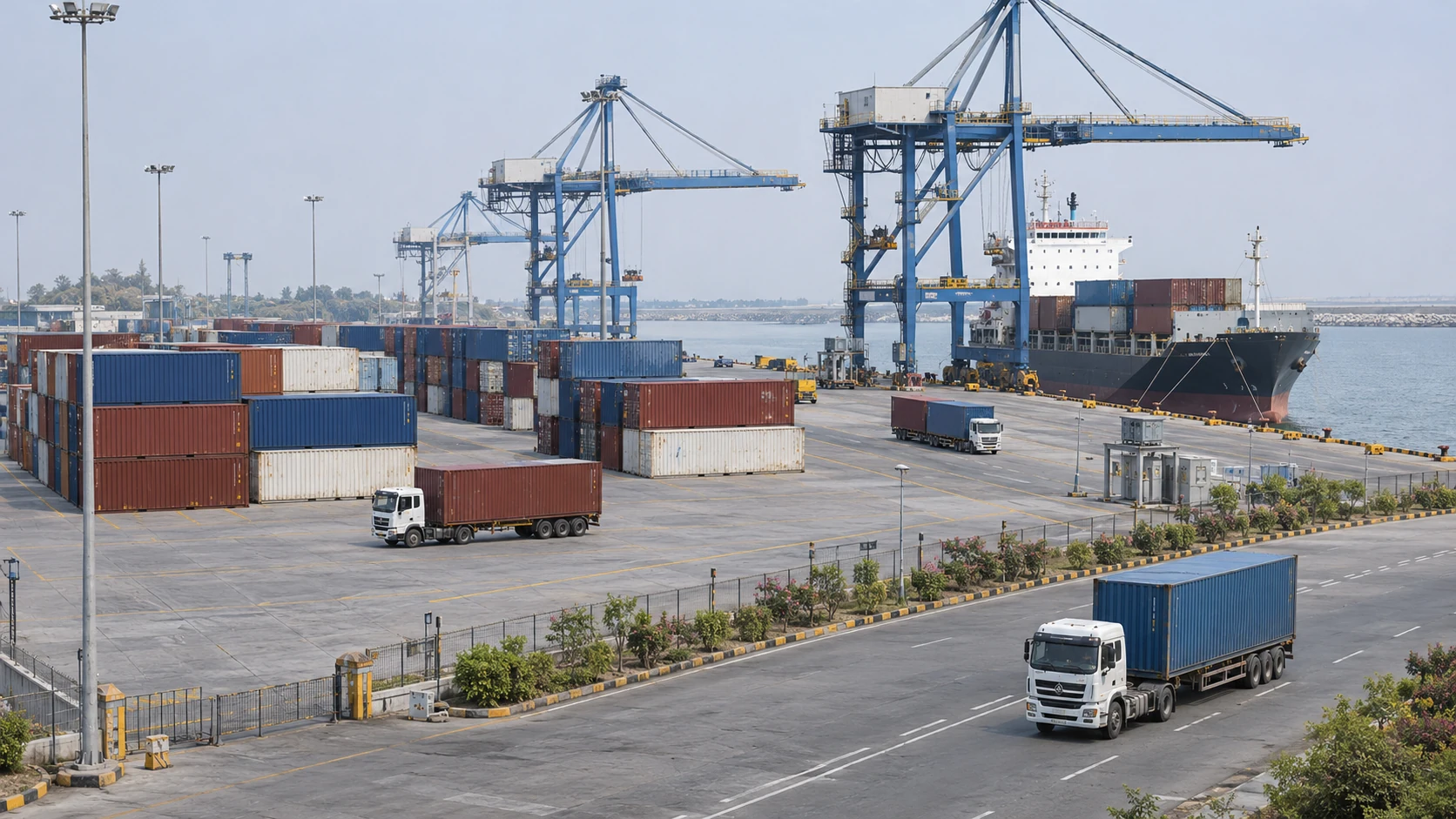
Trucks and container handling equipment in an intermodal port
Sector context

The next conversation

Discuss your next programme.

Tell us the decision, the institution and the evidence available. We’ll help define a focused first engagement.

Start a conversation

Talk to the desk.

Tell us who you are and the decision you are pricing. The first conversation costs nothing. A reply comes on working days.

Or write to [email protected].